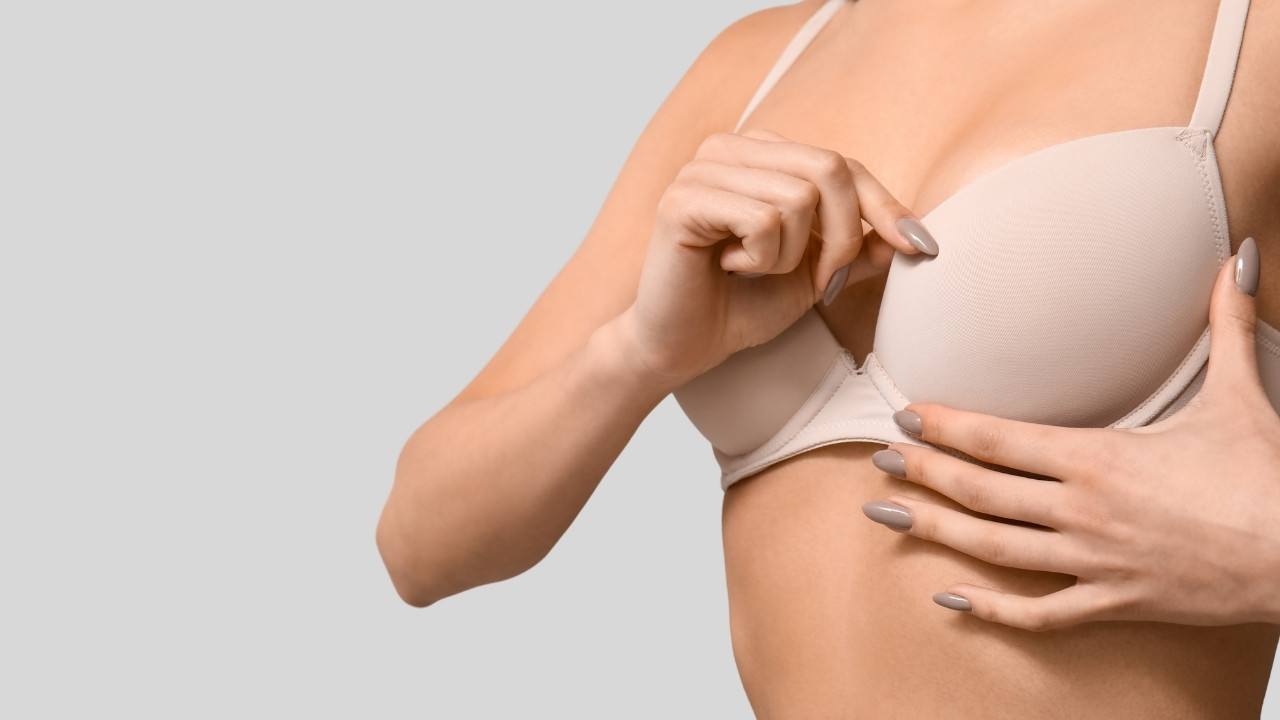
Breast surgery is one of the most personal decisions a patient can make. Whether the goal is adding volume, correcting ptosis, or reducing size for both aesthetic and physical comfort, the right outcome depends as much on the surgeon’s approach as it does on the procedure itself. Here’s a clear breakdown of what each option involves and what to expect when having it done in Greece.
Three Procedures, One Goal: A Result That Fits You
Breast augmentation, lift, and reduction are distinct procedures that address different concerns — but all three share the same underlying principle: reshaping the breast to align with the patient’s body and aesthetic goals. Some patients need one; others benefit from a combination. The starting point is always a thorough consultation and an honest conversation about what’s realistic.
At Aegean Med Aesthetics, all three procedures are offered as part of a comprehensive plastic surgery programme designed specifically for international patients.
Breast Augmentation: Adding Volume with Precision
Breast augmentation increases breast size and improves symmetry using either premium silicone implants or natural fat transfer. It’s typically performed under general or sedation anaesthesia and takes one to two hours. Most patients are treated on an outpatient basis and can return to light daily activities within a week, with full recovery taking around four to six weeks.
The procedure is highly customisable. Implant placement — whether above or below the pectoral muscle — affects both the final shape and the recovery experience. The choice between round and anatomical (teardrop) implants further determines the profile and projection of the result.
Implants or Fat Transfer?
For patients who want a modest increase in volume and have enough donor fat available, natural fat transfer is an option that avoids implants entirely. Fat is harvested from another area of the body — typically the abdomen or thighs — processed, and injected into the breast. The result is softer and more gradual than implants, with no foreign material involved. The trade-off is that volume retention is less predictable and the degree of augmentation is more limited.
Breast Lift (Mastopexy): Reshaping Without Adding Size
A breast lift — or mastopexy — raises and firms breasts that have lost their shape due to gravity, pregnancy, breastfeeding, or significant weight changes. The procedure removes excess skin and repositions the nipple and areola to a higher position on the breast mound. Areola size can also be reduced during the same session.
A lift does not add volume on its own. Patients who want both elevation and increased fullness often combine mastopexy with augmentation in a single procedure. The surgery takes between one and a half to three hours and usually requires one night of inpatient care. Return to daily activities is possible within four to seven days, though strenuous exercise should be avoided for several weeks.
Breast Reduction: Relief and Proportion in One Procedure
Breast reduction — or reduction mammoplasty — removes excess breast tissue, fat, and skin to achieve a size and shape that is more proportionate to the patient’s frame. For many women, this procedure addresses not just aesthetic concerns but genuine physical symptoms: chronic back, neck, and shoulder pain, skin irritation under the breast fold, and difficulty with physical activity.
The technique involves reshaping the breast tissue and repositioning the nipple, similar to a lift. Recovery is comparable: return to work in around ten days, with physical exercise and heavy lifting avoided for two to three weeks. It’s worth noting that breast reduction can affect breastfeeding in some cases, so timing relative to future pregnancies is an important part of the pre-surgical conversation.
Can Procedures Be Combined?
Yes, and in many cases it makes clinical and practical sense. Augmentation and lift are frequently performed together when a patient wants both volume and elevation. Reduction and lift share much of the same surgical approach and are inherently combined in the standard technique. For patients travelling from abroad, combining procedures also reduces the number of trips required and the total recovery time needed away from home.
Why Choose Greece for Breast Surgery?
Greece has a well-established plastic surgery sector with board-certified surgeons trained to international standards. Operating costs — including anaesthesia and hospital facility fees — are significantly lower than in the UK, US, or Northern Europe, without any compromise on the quality of implants, technique, or post-operative care.
For international patients, the experience at Aegean Med Aesthetics is structured around full coordination: from the initial virtual consultation and travel planning through to the procedure and aftercare. Premium implant systems and individualised surgical planning are standard across all breast surgery options.
FAQ
How long do results last after breast augmentation?
Modern silicone implants are durable and long-lasting, but they are not guaranteed for life. Most patients can expect their implants to remain in good condition for 15 to 20 years or more. A revision may eventually be needed due to changes in body weight, pregnancy, or implant wear.
Will there be visible scarring?
All three procedures involve incisions and therefore some degree of scarring. Scars typically fade significantly over 6 to 12 months. Their visibility depends on the technique used and individual healing. Your surgeon will discuss incision placement and expected scar appearance during the consultation.
Is breast surgery safe?
When performed by a board-certified plastic surgeon in an accredited facility, breast surgery has a well-established safety record. As with any surgical procedure, risks include infection, haematoma, and changes in nipple sensation — all of which are manageable when pre- and post-operative care guidelines are followed.
How soon can I travel after surgery?
For international patients, most surgeons recommend staying in the country for at least five to seven days after the procedure before flying, to allow for the initial recovery period and any follow-up checks. Your surgeon will give you specific guidance based on the procedure performed.