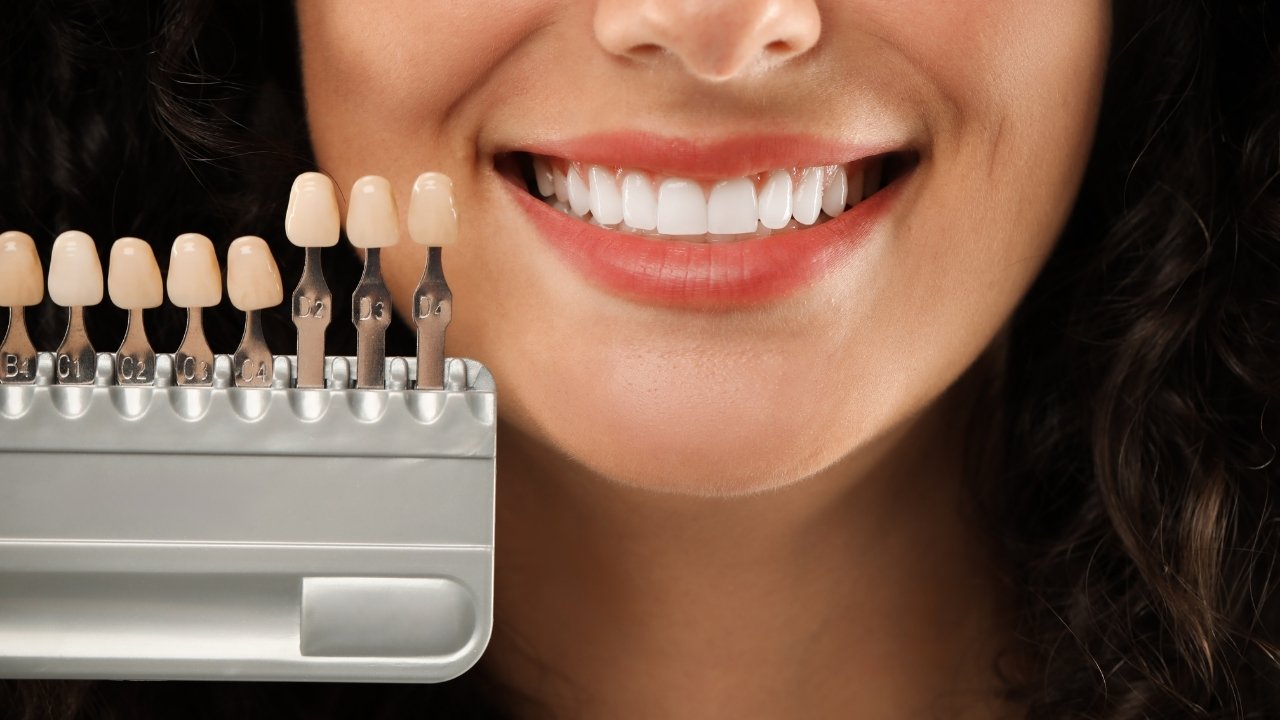
Porcelain veneers are one of the most requested treatments in cosmetic dentistry — and for good reason. A single procedure can correct discoloration, close gaps, reshape uneven teeth, and completely transform how your smile looks. If you’re considering veneers and wondering whether Greece is the right place to have them done, here’s everything you need to know.
What Are Porcelain Veneers?
Porcelain veneers are ultra-thin ceramic shells custom-crafted to fit over the front surface of your teeth. They change the colour, shape, size, or length of individual teeth and are bonded permanently in place. Because porcelain reflects light in a way that closely mimics natural enamel, the result looks genuinely real — not obviously “done.”
They sit within the broader field of prosthodontics and dental aesthetics, and they’re among the most durable smile corrections available when placed correctly.
What Can Veneers Fix?
Veneers are used to address a wide range of cosmetic concerns, including tooth discoloration that doesn’t respond to whitening, chips or minor fractures, gaps between teeth, uneven or asymmetrical shapes, and teeth that appear too short or narrow. They’re not a solution for severe misalignment or active gum disease — those need to be treated first.
The Procedure: What Happens Step by Step
Getting porcelain veneers typically takes three appointments spread over a few weeks.
Consultation and Smile Design
The first visit is a full assessment of your oral health and a conversation about what you want to change. You’ll discuss the shape, length, width, and shade of your veneers — this is where digital smile design tools come in, allowing you to preview the expected result before any work begins. Because the procedure is irreversible, your dentist will also walk you through alternative options that may preserve more natural tooth structure.
Preparation and Impressions
A thin layer of enamel is removed from the front of each tooth to make room for the veneer. This is done under local anaesthetic if needed and is generally comfortable. Impressions are taken and sent to a dental laboratory, where your custom veneers are fabricated — usually from high-grade German or Swiss ceramics.
Fitting and Placement
At the final appointment, your veneers are checked for fit, colour, and proportion before being permanently bonded. Adjustments are made until the result matches what was agreed during the smile design phase.
Porcelain vs. Composite Veneers: Which One Is Right for You?
Porcelain veneers are more durable, stain-resistant, and natural-looking than composite alternatives. They’re also a longer-term investment in terms of cost. Composite veneers can be applied in a single visit and require less enamel removal, but they don’t last as long and are more prone to discoloration over time. Your dentist will recommend the option that suits both your clinical situation and your priorities.
Why Get Veneers in Greece?
Dental tourism in Greece has grown significantly, and cosmetic dentistry is one of the main reasons international patients make the trip. The combination of specialist-level expertise, premium ceramic materials, and pricing that’s meaningfully lower than in the UK, US, or most of Northern Europe makes it a practical choice — not just an attractive one.
At Aegean Med Aesthetics, veneers are placed by board-certified prosthodontists using only top-tier materials, as part of a fully coordinated experience designed for patients travelling from abroad.
Frequently Asked Questions (F.A.Q)
How long do porcelain veneers last?
With proper care, porcelain veneers typically last between 10 and 15 years. Avoiding habits like nail-biting or using your teeth to open packaging extends their lifespan considerably.
Is the procedure painful?
The preparation phase involves minimal enamel removal, which is done under local anaesthetic when necessary. Most patients report little to no discomfort during or after.
Can veneers be done on all teeth?
Veneers are most commonly placed on the front six to eight teeth — the ones visible when you smile. A full assessment will determine how many are needed for a balanced, natural result.
Do I need to do anything before getting veneers?
Your oral health needs to be in good shape first. Any decay, gum issues, or infections are treated before the veneer process begins. If you’re interested in whitening your remaining teeth, that should also happen before placement, since veneers are colour-matched to your natural teeth at the time of fitting.